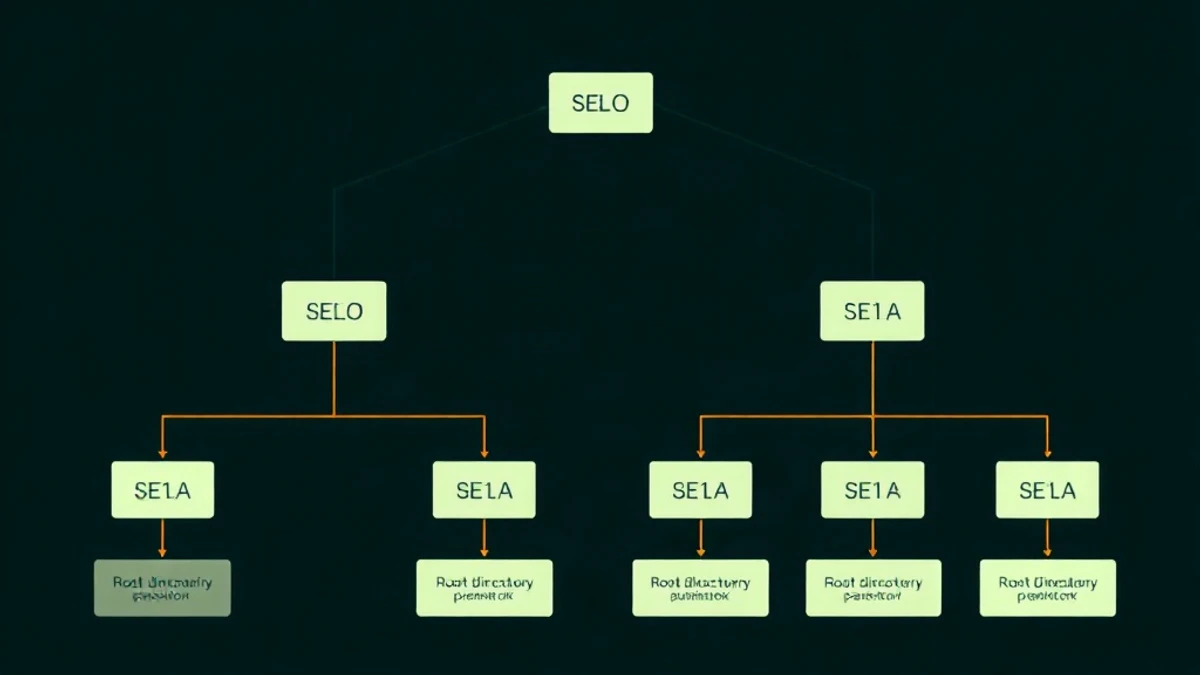
When scaling organic traffic for a SaaS product or modern web app, one architectural decision quietly dictates whether your content marketing compounds or hits an invisible ceiling: where your blog is hosted.
The Structural Difference Between Subdomains and Subdirectories
From an HTTP network perspective, both blog.domain.com and domain.com/blog can point to any server on the internet. But to Google's indexing and ranking algorithms, they are fundamentally distinct entities.
A subdomain (blog.acme.com) is treated by default as a separate hostname. While Google's John Mueller has historically stated that Google tries to recognize subdomains belonging to the same brand, empirical ranking studies across hundreds of migrations consistently prove otherwise.
A subdirectory (acme.com/blog) shares 100% of the root domain's entity graph, historic trust signals, and inbound link equity from day one.
How Google Evaluates Subdomains in Host Crowding Algorithms
Google's PageRank calculation operates on a graph theory model where links between different hostnames carry distinct weights. When external publications, industry directories, and users cite an insightful article hosted on blog.acme.com/scaling-apis, the majority of the inbound PageRank pools inside the subdomain graph.
Unless meticulously cross-linked with internal reciprocal anchors, that authority does not flow efficiently to high-value commercial landing pages like acme.com/pricing or acme.com/features.
The 35% Authority Leak: Real-World Case Studies
Data from over 40 SaaS engineering blogs that migrated from blog.* subdomains to root /* subdirectories revealed an average 32% to 38% lift in organic search impressions within 60 days—with zero changes to the underlying article copy.
Why? Because Google's domain-level quality score is a consolidated metric. When high-performing editorial content lives under the root domain, it elevates the ranking floor of every page on that domain.
Why Traditional 301 Redirects Don’t Solve the Problem
Many teams attempt a compromise: they keep their blog on a subdomain and set up a 301 redirect from acme.com/blog to blog.acme.com. This solves nothing. In fact, it makes the problem worse by signaling to crawlers that the root directory has no unique content of its own.
Edge Reverse Proxies: The Zero-Migration Solution
You don't need to rebuild your frontend or abandon your favorite CMS (Ghost, WordPress, Webflow, or headless MDX) to get subdirectory authority. By using an edge reverse proxy (such as Cloudflare Workers or Vercel rewrites), requests to yourdomain.com/blog are transparently fetched from your upstream CMS while remaining on your root domain in the visitor's address bar and Googlebot's crawler.
{
  "rewrites": [
    {
      "source": "/blog",
      "destination": "https://nurio.sh/proxy/your-workspace/blog"
    },
    {
      "source": "/blog/:path*",
      "destination": "https://nurio.sh/proxy/your-workspace/blog/:path*"
    }
  ]
}
Nurio automates this entire pipeline, generating on-brand blog posts and serving them at the edge under your root domain's /blog path in less than 2 minutes.
Comments