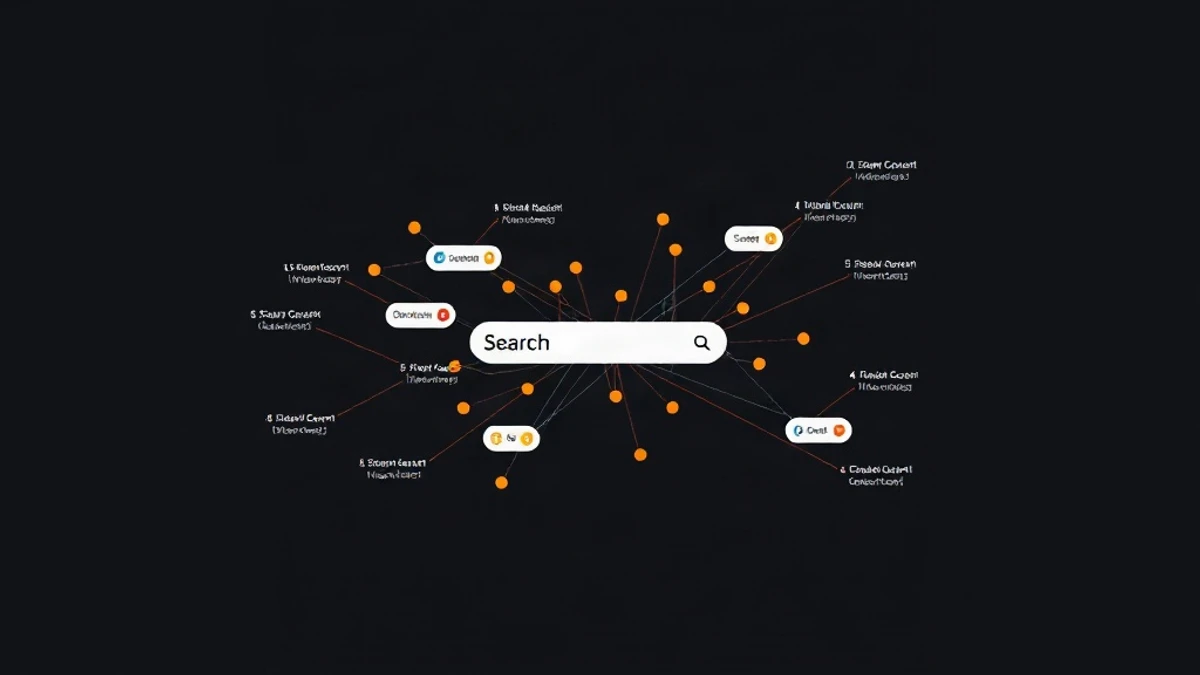
Search is undergoing its biggest architectural shift since the invention of PageRank. Over 40% of technical and commercial queries are now answered directly inside AI answer engines like Perplexity, ChatGPT Search, and Google AI Overviews.
The Shift from Traditional SERPs to Generative Answer Engines
Traditional SEO focused on blue links, keyword density, and anchor text distribution. Generative Engine Optimization (GEO) focuses on information retrieval density and verifiable citation synthesis.
When an LLM answers a query like "What is the best way to add a blog to Next.js on Vercel?", it does not display 10 snippets. It retrieves 5 to 10 web pages, embeds them into vector context, and synthesizes a singular coherent response with inline citation numbers.
How LLMs Retrieve and Re-Rank Live Web Sources
Modern AI search engines use a two-stage retrieval pipeline:
- Neural Semantic Retrieval: Finding pages that conceptually match the query intent rather than exact keyword matches.
- Context Compression & Citation Selection: Ranking sources by factual specificity, authoritativeness, and clarity of synthesis.
If your content is buried behind heavy client-side JavaScript, un-rendered hydration wrappers, or slow server endpoints, AI crawlers skip it in favor of fast, statically rendered HTML.
The Citation Extraction Heuristic: Data Density & Quotability
LLMs cite content that provides unambiguous, standalone answers. Content structures that consistently win citations include:
- Definitive Code Snippets: Runnable, complete code blocks with minimal boilerplate.
- Structured Data Tables: Comparison matrixes with clear benchmarks.
- Direct Q&A Formats: Headings framed as exact questions followed immediately by 2-sentence direct answers.
Technical Architecture for AI Crawlers (PerplexityBot, GPTBot)
To ensure your engineering blog is ingested accurately by AI crawlers:
- Serve pure static HTML at the edge with zero client hydration requirement for body text.
- Maintain clean
robots.txtrules permittingGPTBot,PerplexityBot, andGoogle-Extended. - Include complete Schema.org
Article,TechArticle, andFAQPageJSON-LD structured data.
Autonomous Content Pipelines That Win AI Citations
Maintaining citation authority requires regular, high-density publishing across topical clusters. Nurio connects directly to your root domain to research technical gaps, draft citation-optimized guides, and publish edge-cached articles that AI search engines love to reference.

Comments